Recall Anxiety for manufacturers is a real thing, but you might not realise it until its too late.
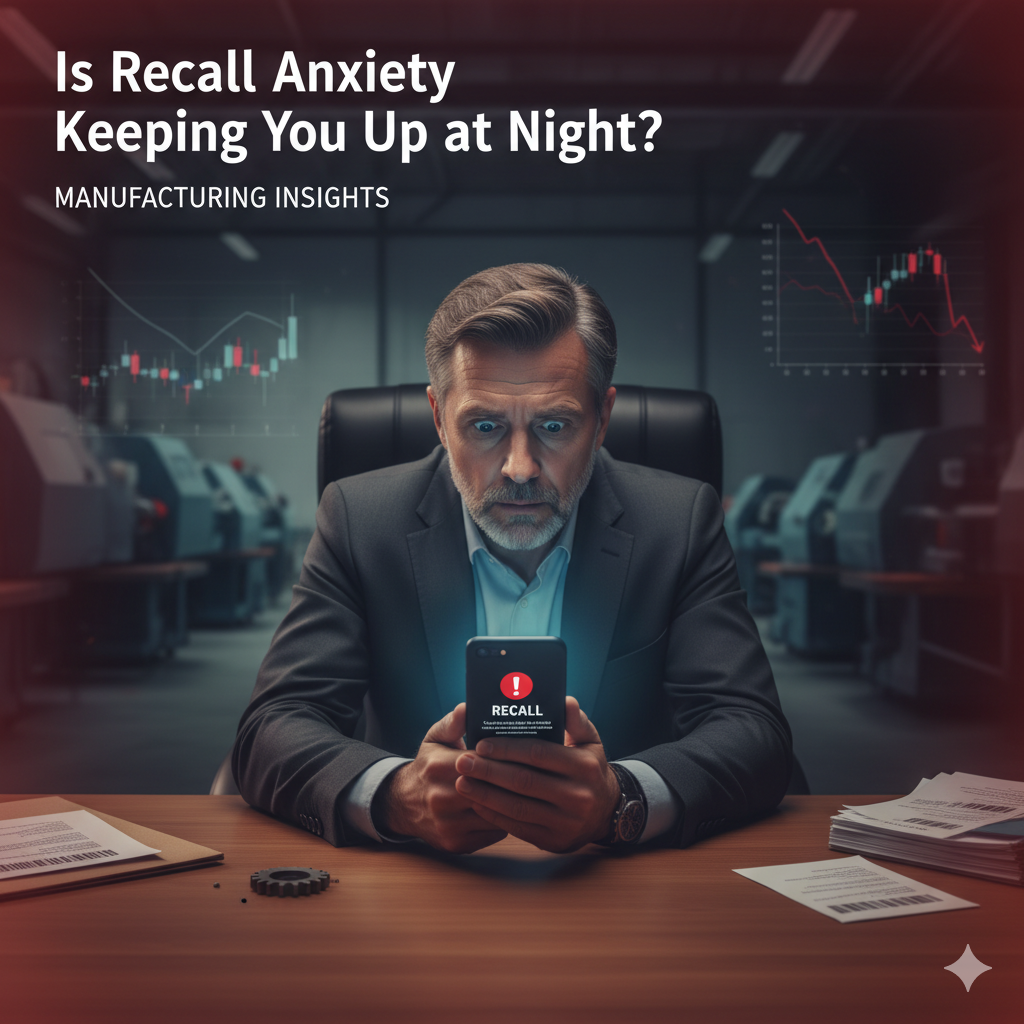
It’s 2 AM. Your phone buzzes on the nightstand. The screen’s glow cuts through the darkness, and your heart sinks. Is it a line-down emergency? Or is it the call you truly dread? The one from a major customer, a regulatory body, or your own Head of Quality, confirming your worst fear: a critical product failure has been discovered in the field.
A recall is imminent.
For many manufacturing leaders, this isn’t a hypothetical scenario; it’s a persistent, low-grade hum of anxiety. We call it Recall Anxiety: the chronic fear that a catastrophic quality escape is just around the corner, waiting to unravel years of hard work.
But let’s be clear. This anxiety isn’t a sign of prudent leadership. It’s a symptom of a deeper, systemic illness within the organization—an illness born from a thousand small cuts to your quality infrastructure. It thrives in environments where quality is seen as a cost center, not a cornerstone of the business.
The Root of the Rot: Where Recall Anxiety Begins
Recall Anxiety doesn’t materialize out of thin air. It’s cultivated, day by day, through decisions that prioritize short-term gains over long-term stability. The anxiety you feel is your gut telling you what you already know: your operation is running on borrowed time.
The primary culprits are often disguised as “operational efficiencies” or “strategic sourcing”:
- Cost-Cutting in Operations: You’ve been asked to “do more with less.” That translates to deferred maintenance on critical machinery, reduced headcount for quality inspectors, and pressure to skip or shorten quality checks to meet ambitious production targets. Each skipped step, each “good enough” sign-off, is another seed of anxiety planted.
- Purchasing Crossing the Cost/Quality Threshold: Your purchasing department is rewarded for saving money. But there’s a critical line where “cost-effective” becomes “dangerously cheap.” When a supplier is chosen based on a few cents’ savings per unit without rigorous validation, you inherit their quality problems. Sourcing substandard raw materials or components is like building a house on a foundation of sand. The collapse is not a matter of if, but when.
- Underinvestment in People and Tools: When was the last time your team received meaningful training on new quality control techniques? Are they using modern statistical process control (SPC) software and calibrated digital gauges, or are they relying on worn-out tools and tribal knowledge? Treating quality as an expense means training budgets are the first to be cut and tool upgrades are indefinitely postponed. This starves your team of the resources they need to protect your company.
When these factors combine, they erode your Quality Culture. Quality stops being everyone’s responsibility and becomes a box-ticking exercise performed by an understaffed, under-equipped department. And that is the perfect breeding ground for Recall Anxiety.
The Domino Effect: The Far-Reaching Impact of a Recall
A recall is not a single event; it’s the start of a devastating chain reaction that can cripple a manufacturer. The anxiety is justified because the consequences are real and far-reaching.
Impact on the Workforce 😥
The first domino to fall is internal. Morale on the shop floor plummets. The team that worked hard to produce the product now feels a sense of failure and blame. Questions fly, trust erodes, and a witch-hunt mentality can set in. Skilled, conscientious employees may start looking for the exit, unwilling to work for a company that doesn’t prioritize quality. The rest are left to deal with the stressful, thankless job of rework, sorting, and fielding angry calls.
Impact on the Customer Base 💔
Your customers trusted you. A recall shatters that trust. It’s not just an inconvenience for them; it could endanger their own operations, their own customers, or even their safety. In today’s hyper-connected world, news of a recall spreads like wildfire on social media and industry forums. You don’t just lose the sales from the recalled product; you risk losing the customer for life as they switch to a competitor they perceive as more reliable.
Impact on Reputation and Future Business 📉
It can take decades to build a reputation for quality and just one afternoon to destroy it. A recall publicly brands your company as unreliable, or worse, negligent. This tarnished reputation makes acquiring new customers exponentially harder. Sales cycles lengthen as potential clients demand more audits, more certifications, and more assurances. Your brand, once a valuable asset, becomes a liability.
Impact on Investors 💰
The financial fallout is staggering and immediate. Investors hate uncertainty, and a major recall is the ultimate unknown.
- Direct Costs: The logistical nightmare of retrieving, replacing, or refunding the product.
- Indirect Costs: Production downtime, legal fees from potential lawsuits, and hefty regulatory fines.
- Market Reaction: Your stock price will likely take a significant hit as investor confidence evaporates. Access to capital for future growth may become more difficult and expensive. The “savings” you achieved by cutting corners will be dwarfed by these losses.
The Antidote: From Anxiety to Assurance 🧘♂️
The good news is that you can cure Recall Anxiety. The antidote isn’t a magic pill; it’s a strategic, proactive commitment to building a resilient quality culture. It’s about shifting your entire organization’s mindset from reactive panic to proactive prevention.
- Reframe Quality as a Profit Center: Stop treating the quality department as an overhead expense. Quality is your best insurance policy and your most powerful marketing tool. Every dollar invested in robust quality control, better training, and superior tools prevents tens, hundreds, or even thousands of dollars in potential recall-related losses. A reputation for impeccable quality is a competitive advantage that commands higher margins and customer loyalty.
- Empower and Equip Your People: Your team on the shop floor is your first line of defense.
- Invest in Continuous Training: Give them the skills to identify potential issues early.
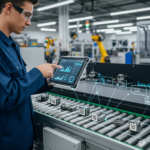
- Provide Modern Tools: Implement EQMS & SPC software, automated inspection systems, and reliable measurement tools. This removes guesswork and provides actionable data.
- Foster a “Stop the Line” Culture: Empower any employee to halt production if they spot a quality concern, without fear of reprisal. This shows that you value quality over pure output numbers.
- Fortify Your Supply Chain: Treat your suppliers as partners in quality, not just lines on a spreadsheet.
- Move from a “cheapest-cost” to a “best-value” sourcing strategy.
- Implement a rigorous supplier qualification process and conduct regular audits.
- Make robust incoming material inspection a non-negotiable gateway to your production line.
A Call to Action: Invest in Peace of Mind
Look around your operation tomorrow morning. Listen to the conversations. Are you hearing the language of prevention or the language of firefighting? Is your team confident and empowered, or are they anxious and stretched thin?
Recall Anxiety is a choice. It is the direct result of choosing to underinvest in the very systems, people, and processes that guarantee your company’s long-term survival.
The real “cost-saving” isn’t found in a cheaper component or a skipped inspection. It’s found in the product that never gets returned, the customer who buys from you again and again, and the leader who can sleep soundly at night.
Invest in quality. Not just because it saves you money, but because it saves you everything else: your reputation, your workforce’s morale, your customers’ trust, and your own peace of mind. The best time to start was yesterday. The next best time is now.