
Reading Time: Approximately 20 minutes
Introduction
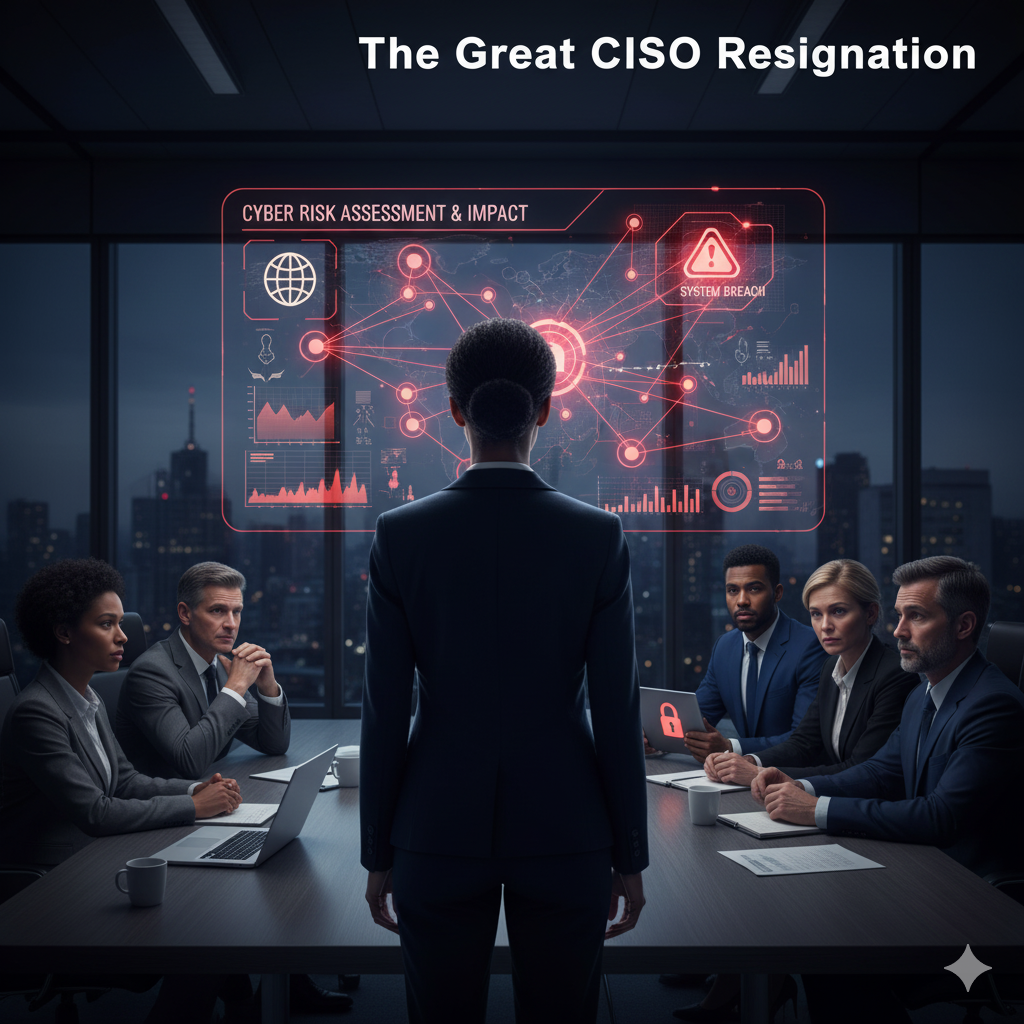
The cybersecurity landscape has never been more challenging. Professionalized ransomware gangs, state-sponsored attacks, and an ever-expanding attack surface mean that the CISO (Chief Information Security Officer) role is under immense pressure. We’re seeing what some are calling the “Great CISO Resignation,” with CISOs burning out, facing legal liability, and struggling to secure adequate resources [1]. This isn’t just an IT problem; it’s a critical boardroom issue.
As a leader, understanding why cybersecurity needs to be a top-down strategic priority – not merely a technical one – is paramount. This blog post will explore the evolving threat landscape, the board’s crucial role, and how to build a resilient leadership team capable of navigating these treacherous waters.
1. The Shifting Threat Landscape: Beyond the Firewall
Gone are the days when a robust firewall and antivirus software were sufficient. Today’s threats are sophisticated, pervasive, and often human-operated.
- Professionalized Ransomware: Threat actors operate like well-oiled businesses, offering “ransomware-as-a-service” and employing double extortion tactics (encrypting data and threatening to leak it). The National Cybersecurity Center (NCSC) regularly highlights the evolving nature of these threats [2].
- Supply Chain Attacks: Targeting a weak link in your supply chain can grant attackers access to multiple organizations. This means your cybersecurity posture is only as strong as your weakest vendor.
- Data Theft and Espionage: Beyond ransomware, intellectual property theft, corporate espionage, and the compromise of sensitive customer data carry immense financial and reputational costs.
- The Hybrid Work Challenge: The move to remote and hybrid work models has dramatically expanded the attack surface, creating new vulnerabilities in home networks and personal devices.
This dynamic environment demands a proactive, comprehensive strategy that extends far beyond technical controls.
2. Beyond IT: Cybersecurity as a Business Survival Issue
For too long, cybersecurity has been siloed within the IT department. This perspective is dangerously outdated. Cybersecurity is now a fundamental business survival issue, impacting:
- Financial Stability: Ransomware payments, recovery costs, legal fines, and lost revenue can cripple an organization.
- Reputation and Trust: A major breach can erode customer trust, damage brand reputation, and lead to a significant loss of market share.
- Regulatory Compliance: Governments worldwide are implementing stricter data protection regulations (e.g., GDPR, CCPA), with severe penalties for non-compliance.
- Operational Continuity: Cyberattacks can bring operations to a standstill, impacting production, service delivery, and supply chains.
The true cost of a breach extends far beyond the immediate financial outlay, affecting shareholder value, employee morale, and long-term viability.
3. The Board’s Role in Cybersecurity: Governance and Oversight
The board of directors cannot delegate their cybersecurity responsibilities solely to the CISO. They must actively engage in governance and oversight. According to ACCA Global and IFAC, strategic business leaders have a critical role to play [3,4]. Here are key responsibilities:
- Strategic Oversight: Boards must understand the organization’s cyber risk profile and ensure that the cybersecurity strategy aligns with overall business objectives.
- Resource Allocation: Allocate adequate budget and personnel to cybersecurity initiatives. This isn’t just an expense; it’s an investment in business resilience.
- Risk Management Frameworks: Establish clear risk appetite, governance structures, and incident response plans. Crucially, this includes clear protocols for ransom decisions – will you pay, and under what circumstances?
- Talent and Leadership: Support the CISO and the cybersecurity team. Ensure they have the authority, resources, and mental health support to perform their demanding roles. Boards should also be actively involved in CISO succession planning.
- Regulatory Compliance: Ensure the organization is meeting all relevant cybersecurity and data protection regulations.
- Communication and Transparency: Foster open communication between the board, management, and the cybersecurity team. Boards need clear, concise reporting on cyber risks and incidents.
An engaged board demonstrates to the entire organization that cybersecurity is a top priority, fostering a culture of security from the top down.
4. Building a Culture of Security: From Boardroom to Front Lines
Technical controls are only part of the solution. Human error remains a leading cause of breaches. Building a robust security culture is vital:
- Lead by Example: When leaders prioritize security, it cascades throughout the organization. This means adhering to security protocols, participating in training, and demonstrating vigilance.
- Continuous Training and Awareness: Regular, engaging, and relevant cybersecurity training for all employees is essential. This goes beyond annual checkboxes and should include simulated phishing attacks and real-world examples.
- Empower Employees: Encourage employees to report suspicious activities without fear of reprimand. Create a psychological safe environment where security concerns can be raised.
- Simple and Clear Policies: Overly complex security policies are often ignored. Ensure policies are clear, concise, and easy for employees to understand and follow.
- Integrate Security into Processes: Make security an inherent part of every business process, from software development (DevSecOps) to vendor onboarding.
5. Attracting and Retaining Cybersecurity Talent: Supporting Your Defenders
The “Great CISO Resignation” highlights a critical issue: the mental and emotional toll on cybersecurity professionals. To build and retain a resilient leadership team, organizations must:
- Provide Adequate Resources: Don’t set your CISO up for failure by underfunding their department. Give them the tools, budget, and personnel they need.
- Offer Work-Life Balance and Support: Acknowledge the high-stress nature of the role. Promote mental health resources, encourage time off, and avoid unrealistic expectations.
- Foster a Culture of Learning: The threat landscape constantly evolves. Support continuous professional development, certifications, and industry conferences for your team.
- Empowerment and Authority: Give your CISO the necessary authority to implement security policies and make critical decisions, backed by the board.
- Fair Compensation: Ensure compensation packages are competitive, reflecting the immense responsibility and specialized skills required.
Conclusion
The era of treating cybersecurity as an optional IT expense is over. It is a strategic imperative that demands proactive engagement from the highest levels of leadership. By understanding the evolving threats, embracing the board’s critical role, fostering a pervasive culture of security, and actively supporting cybersecurity talent, organizations can transform their cyber defenses from a reactive cost center into a resilient, competitive advantage. Don’t wait for a breach to make cybersecurity a boardroom priority; make it one today.
Bibliography & Citations
[1] Gartner. (2023). “The Great CISO Resignation: Why CISOs are Burning Out and How to Retain Them.” (Specific article titles and links can vary, search Gartner for recent CISO retention/burnout reports). Available at: https://www.gartner.com/ (Accessed 2024-05-15)
[2] National Cybersecurity Centre (NCSC) UK. (Ongoing). “Latest Guidance and Reports.” Available at: https://www.ncsc.gov.uk/ (Accessed 2024-05-15)
[3] ACCA Global. (Ongoing). “Cybersecurity for Strategic Business Leaders.” Available at: https://www.accaglobal.com/ (Search for cybersecurity articles relevant to leadership).
[4] IFAC (International Federation of Accountants). (Ongoing). “Cybersecurity Articles.” Available at: https://www.ifac.org/ (Search for cybersecurity content).